


A “terrified” monkey has been found abandoned on a London bus in a laundry bag.
The female common marmoset was discovered on a 302 bus waiting in Kensal Rise, north-west London, on Friday.
A mother had been unable to move her buggy down the walkway because the laundry bag was sticking out of the luggage bay.
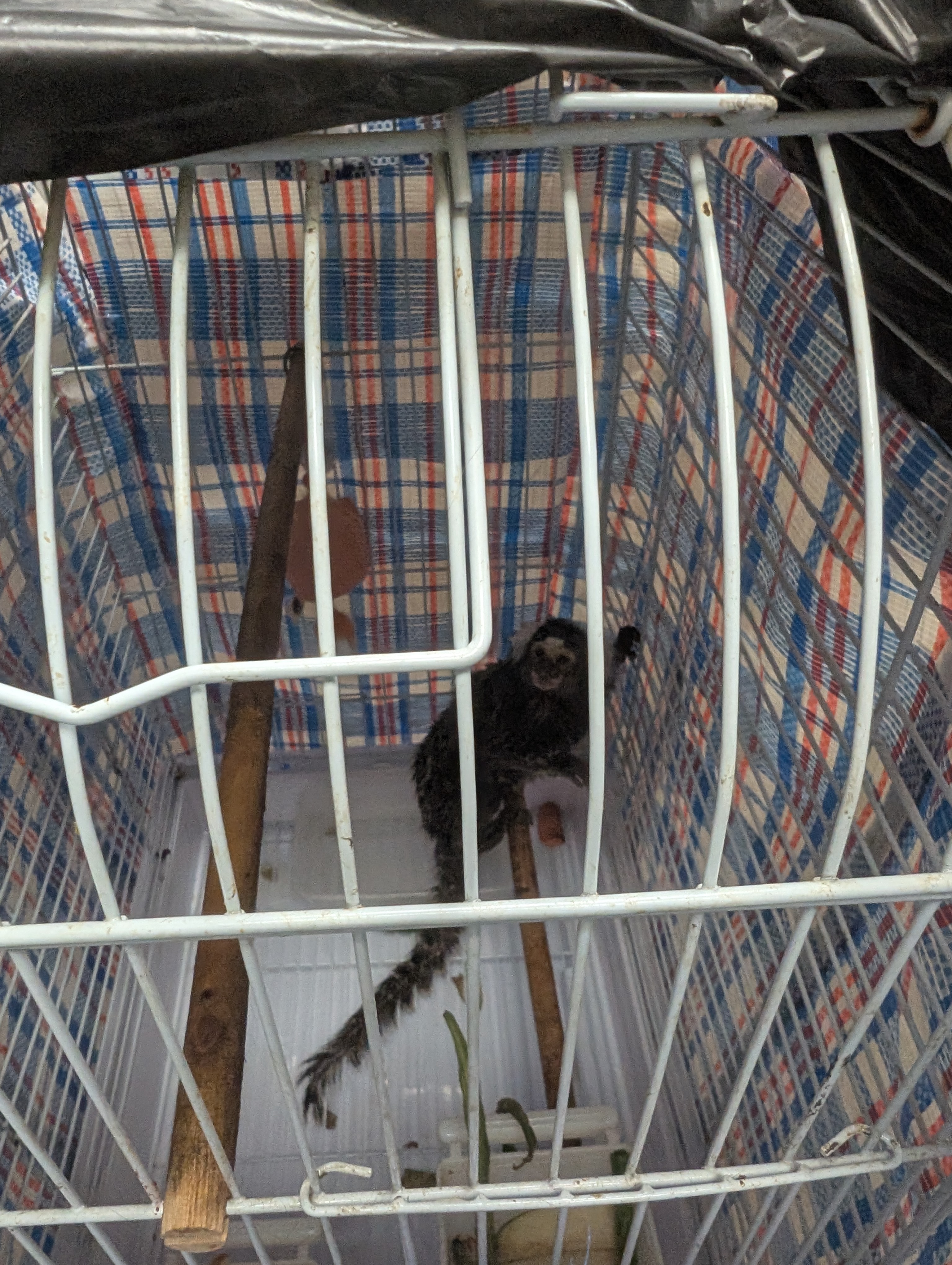
The driver pushed the bag out of the way and the monkey, since named Oyster, started “chirping and jumping”.
It is feared to be the “first of many” abandonments after April’s new legislation mandated that all primates kept in England are licensed, the RSPCA said.
RSPCA London chief investigator Clare Dew, who is leading their probe, said: “It was clearly intentional.
“This is clearly a direct result of the new legislation and is something we feared would happen. I’d be surprised if it’s the last primate we see being dumped.”
The “frightened marmoset” was well concealed in the plastic, chequered laundry bag with handles, said Ms Dew, adding: “She’d been left with some apple but was, understandably, very stressed and dehydrated.”
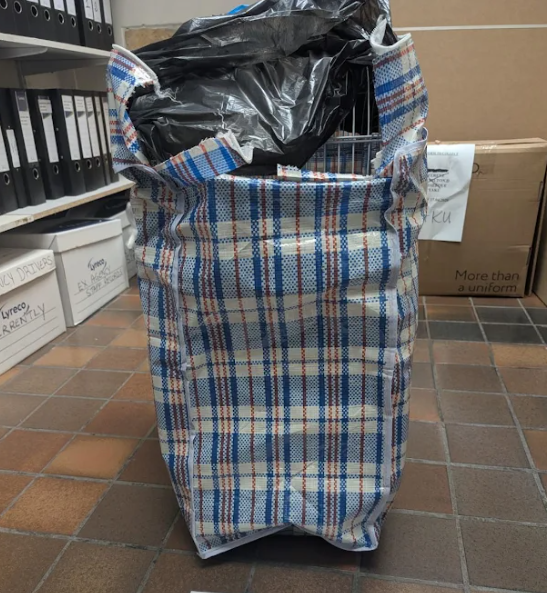
The driver took the monkey to the Metroline Bus Depot at Willesden bus station, north-west London, and raised the alarm to the RSPCA. The route serves Mill Hill Broadway Station to Kensal Rise.
Ms Dew thanked the bus driver and Metroline team “who stayed calm, took the monkey back to their station, put her somewhere dark and cool, to keep her calm, and contacted us for help.”
Oyster is healthy and living in a sanctuary with specialist primate facilities.
She had not been microchipped, which is required under the new law.
Ms Dew added: “In a twist of fate, a sanctuary had been working with us to find a suitable female marmoset to introduce to a lone male they were caring for.
“We were hoping to transfer one from the north of England but, when that fell through just a few hours before Oyster was rescued, it looked like destiny that Oyster was supposed to go there.
“She’s settled in really well over the weekend, and is eating well, so hopefully she’ll be able to meet her new friend soon. If she isn’t claimed then she’ll remain there with experienced keepers, a wonderful enclosure and company.”
The driver and Metroline staff are aiding RSPCA inquiries to trace the person responsible for dumping her.
“No one noticed anything unusual on the bus before the monkey was discovered, but we’ll be looking at CCTV and the logs for scanning on and off the bus to see if we can locate the person who left her onboard”, the investigator said.
“But what we would say to anyone who is struggling to care for a pet or who cannot get a licence for any primate they have, please speak to specialists, vets or charities; don’t abandon them as it can have tragic consequences.”
RSPCA exotic animals expert Evie Button described primates as “highly intelligent and social wild animals who need a lot of space, mental stimulation and appropriate companions – needs that can’t be met by human company alone.
“The introduction of primate licenses in England is an important step forward for animal welfare, helping to ensure these animals are kept in more appropriate conditions, but there is a real concern that keepers who cannot or do not want to license their pet may now instead abandon them.”
Government estimates 5,000 primates are kept as pets in England, but wildlife charity Born Free has found “very little uptake of the new license system”, she added.
As a result, “we’re concerned about what has happened to many of these animals”, Ms Button said.
RSPCA handled 238 reports of primate neglect and cruelty between 2021 and 2025.